FDM and resin printing both build objects layer by layer, but they form those layers differently and require different finishing workflows. The right choice starts with size, level of detail and intended use—not just a sample photo or a technology’s name.
What is the difference between FDM and resin printing?
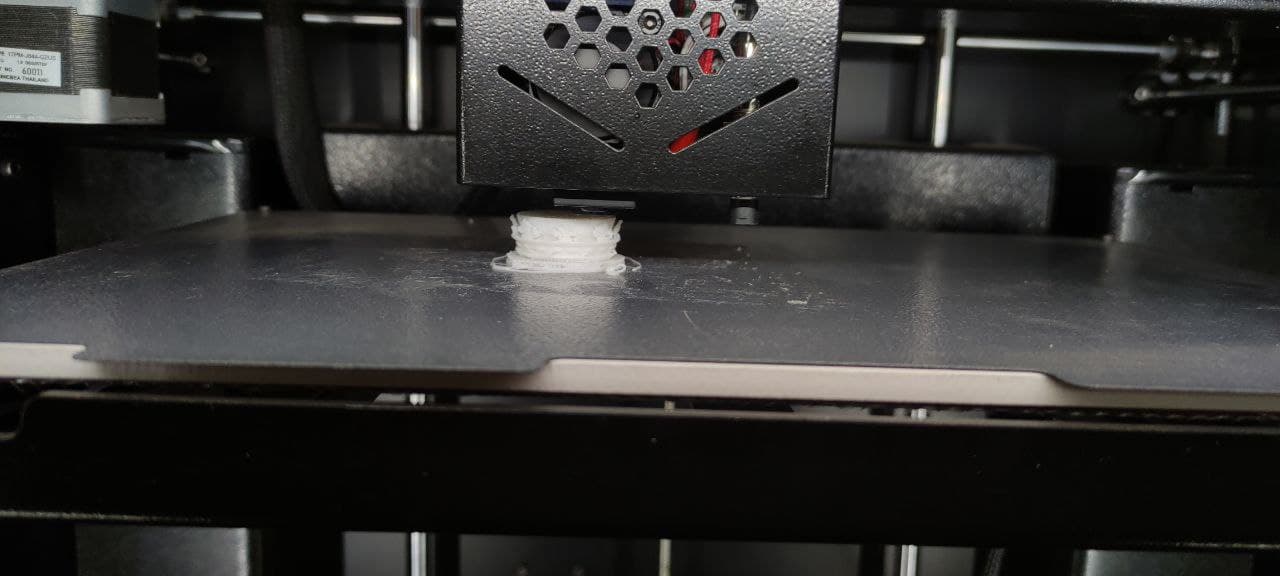
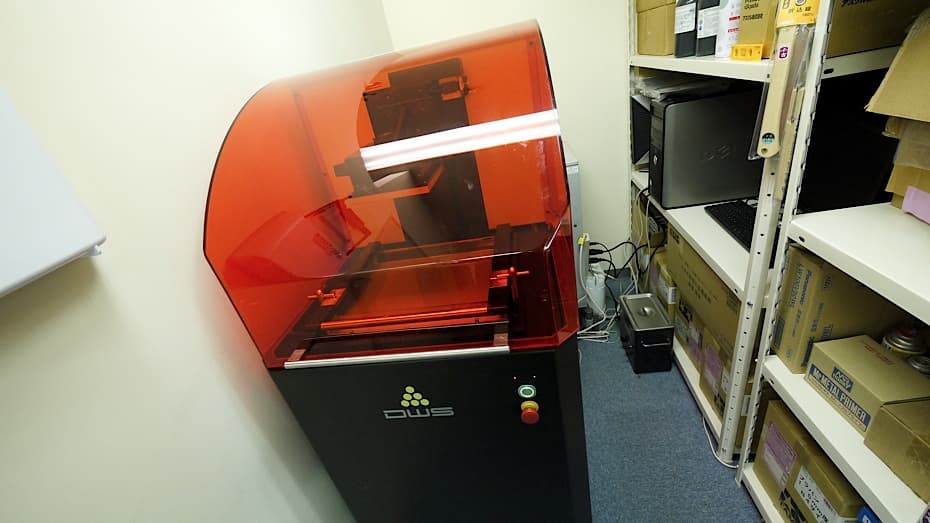
FDM, also called FFF, heats thermoplastic filament and extrudes it through a print head. Resin methods—often vat photopolymerization such as SLA, MSLA or DLP—use light to cure selected areas of liquid resin.
FDM is often a practical option for medium or large prototypes and objects with relatively simple structures. PLA, PETG, ABS, TPU and nylon filaments have different properties; suitability depends on the exact material, design and intended conditions.
Layer lines may be visible, especially on curved surfaces, and supports can leave marks. The nozzle, print orientation, temperature, layer height and printer calibration all affect surface quality, accuracy and strength. A material or machine label alone does not determine the finished quality.
Resin is often considered for miniatures, small figurines or models with detailed surfaces. Results still depend on machine resolution, resin, orientation, supports and post-processing; not every resin printer produces the same result.
A fresh print often needs uncured resin washed off, supports removed and a post-cure performed according to the machine and resin instructions. Vat size, excess material and post-processing work also affect the workflow. Properties after curing differ by resin, so consult the specifications for the exact material.
Neither technology can be declared stronger without knowing the material and the load involved. PLA, PETG, TPU and different resins vary in stiffness, flexibility, heat resistance and impact performance. For a fitted or load-bearing component, provide the intended use, dimensions and operating conditions so the producer can assess the design.
FDM usually needs support removal or surface cleanup; resin usually requires washing and curing. Uncured liquid resin can irritate skin, so use suitable protective equipment, ventilation and the material’s instructions or safety data sheet. Some 3D-printing processes can also release ultrafine particles or chemicals; consult NIOSH guidance on controlling exposure during 3D printing.
Does resin always look better than FDM? No. Resin often has an advantage for small details; FDM may be more suitable for larger parts or a design that benefits from the broad choice of filaments.
Can I decide from a photo alone? A photo helps communicate shape but cannot establish dimensions, strength, wall thickness or cost. Share a 3D file, measurements, intended use and surface requirements where available.
A quick way to choose: consider FDM when practicality and size matter; consider resin when fine detail is important and washing and curing are acceptable. Compare the total cost of a usable finished object, not just the material price.
There is no universally best technology. Start with what the part must do, how large it is, which details matter and what post-processing is acceptable. For a custom project, share those requirements before selecting a process or requesting a quote.